By Carol Gundlach, senior policy analyst, and LaTrell Clifford Wood, hunger policy advocate | January 2025
Overview
Alabama can and should do more to equip our children and our schools for success. One big step would be to provide school breakfast for all our children. And our lawmakers can make major progress toward that goal this year with a modest allocation from the Education Trust Fund (ETF) budget.
Alabama Arise is recommending an ETF appropriation of $16 million to support public schools, including public charter schools, that wish to provide breakfast to all their students.
From this amount, each of the 1,459 Alabama schools participating in the National School Lunch Program would be eligible to receive a $5,000 base grant to upgrade their food service capacities.
The remaining $8.7 million could be distributed to eligible schools to bring their breakfast service reimbursements to the maximum possible federal level.
The benefits of school breakfast
Children who start the day with breakfast learn better, participate more in class and are less likely to skip school than are kids who don’t get breakfast. But tight family budgets, busy mornings and before-daylight bus routes can mean many children arrive at school hungry. School districts across the country have found that breakfast for all children, served after the first bell, reduces hunger and helps kids learn.
It’s time for Alabama’s school districts to join their peers nationwide in feeding breakfast to all of our kids. Here are just a few of the benefits:
School breakfast reduces child hunger across our state. In Alabama, 23% of school-age children are food insecure, meaning they do not always have enough to eat or know when they will get their next meal. That rate is even higher among children of color. School breakfast could guarantee a morning meal for all Alabama children during the school day. School breakfast for all kids also allows schools to experiment with food delivery services like grab-and-go kiosks or breakfast in the classroom that increase participation and make sure kids are ready to start the day.
School breakfast improves standardized testing and math scores. Alabama ranks 48th in average math ACT scores. Academic achievement improves, especially for math, when breakfast is available for school-age children.
School breakfast reduces behavioral problems. Child hunger contributes to impulsivity, hyperactivity, irritability, aggression, anxiety and substance abuse, according to the National Institutes of Health. Reducing hunger would reduce these behaviors.
How Alabama lawmakers can help feed children
The Alabama Legislature can help schools offer school breakfast for all children. The Legislature can help feed Alabama’s schoolchildren by appropriating ETF dollars to match federal funds for school breakfast. Schools that choose to offer breakfast to all their children can use these matching funds to give all their students breakfast at the start of the school day. Thirty-five other states are considering similar legislation, and eight states have approved some form of school meals for every child.
How is school breakfast funded now? Many schools already provide breakfast for all children, but other schools need state help. Some Alabama schools offer breakfast to income-eligible children under the traditional federal School Breakfast Program, administered by the Alabama State Department of Education.
Schools with a significant number of low-income children can receive the maximum federal reimbursement for all meals served. But some Alabama schools can’t make the federal reimbursement rate work for them without additional state or local dollars. And some Alabama schools would like to offer breakfast for all their children but don’t want to deal with federal regulations that might impact their Title 1 distribution to local schools.
Bottom line
Providing school breakfast at all public schools would be an important step to improve child nutrition and student success. An ETF budget appropriation of approximately $16 million would allow Alabama schools to be made whole if they can’t receive the maximum federal reimbursement for these meals. This support for school breakfast for all would help children grow, thrive and learn across Alabama.
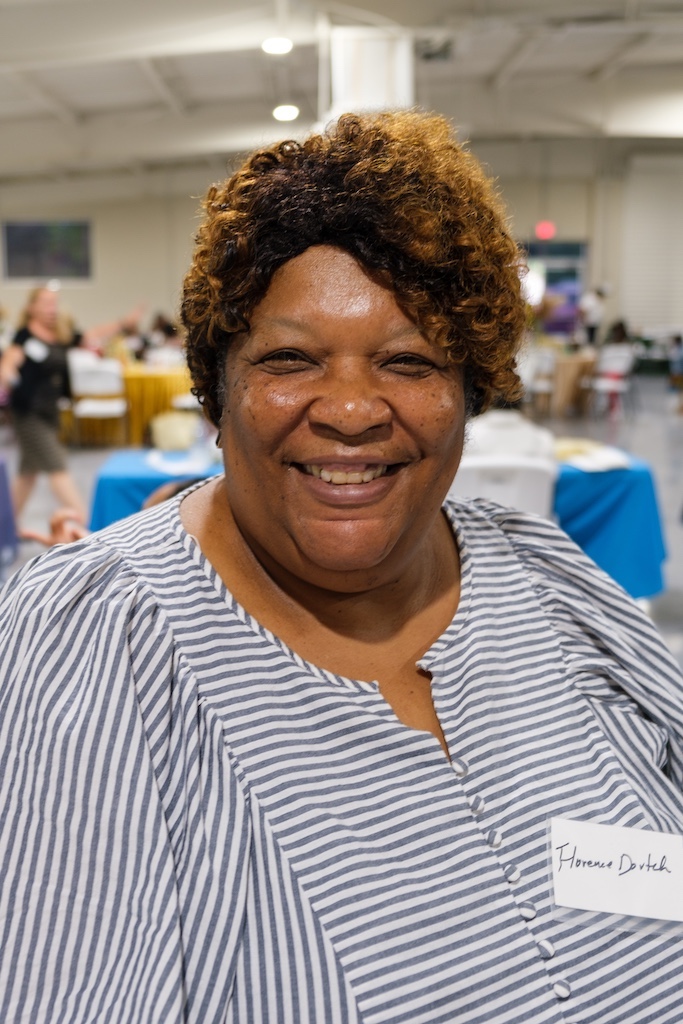
Florence Dortch, 60, of Vredenburgh (Monroe County)
Florence has been uninsured for 22 years. Lately, she’s been receiving care from a rural health clinic in Monroeville, where she pays out of pocket for help with her arthritis, high blood pressure and monitoring her prediabetes. She has trouble affording her medications but is able to continue taking her prescriptions for now with help from her sister.
“I make it work because I have to. I try not to think about how long I’ve been living like this, because it’s not great. It’ll get you down. I rely on a lot of help from the community, but it shouldn’t be like this, because I’m not the only one.”
Florence has a few more years until she’s eligible for Medicare. Because she works, she doesn’t meet Alabama’s stringent income eligibility requirements for Medicaid.
“If working people could get the coverage they deserve, we wouldn’t even be where we are now. Here in the Black Belt, or anywhere else.”
“I felt like with Medicaid, I got the best care I’ve ever had, and I could afford the copays. I didn’t have to worry about racking up debt just for going to the doctor.”
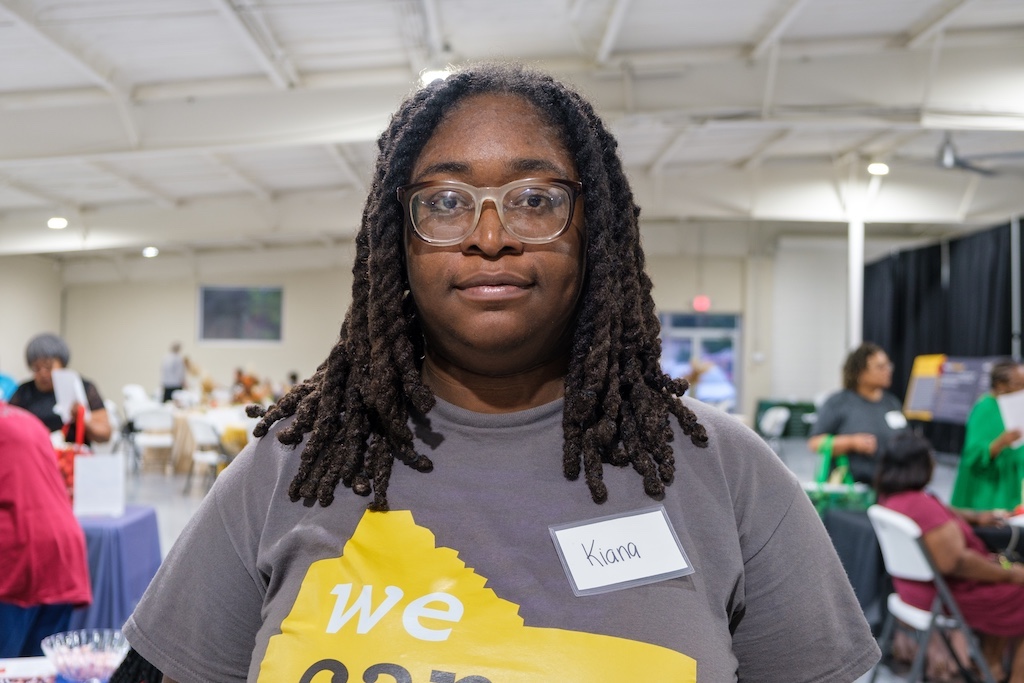
Kiana is a child care provider working in Camden. She recently lost Medicaid coverage during the state’s “unwinding” period after learning she was “earning too much” at the day care center, leaving her in Alabama’s health coverage gap.
After she sought urgent care for polycystic ovarian syndrome, out-of-pocket bills for diagnostic labs and imaging left her with thousands of dollars in medical debt.
“I get these bills in the mail, and it’s so much stress. I don’t like owing people money. So I just don’t get help even when I’m in pain.”
Kiana visits free clinics offered at local health fairs but says the care is limited. She’s worried about needing care when she’s not close to home, or facing another medical emergency and collecting even more medical debt.
“I really wish Alabama would expand Medicaid. I just want to go to the doctor. I feel like without coverage, by the time I do get to the doctor, it is too late, and everything is way out of hand.”
“We’re all gonna get sick. That’s life. But coverage needs to be affordable for everyone.”
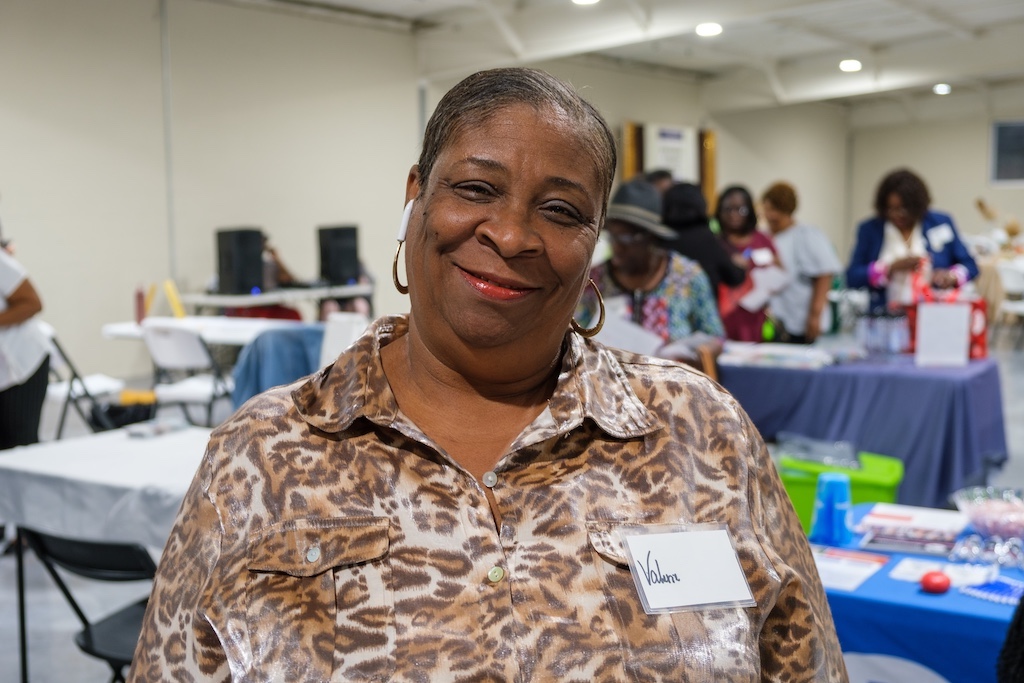
Valerie is disabled, living without health coverage in rural Wilcox County. After 30 surgeries, she’s got thousands of dollars in medical debt.
During a routine colonoscopy, doctors removed a tumor in Valerie’s stomach. After receiving the hospital bill, she became so worried about the cost of follow-up care at the cancer center that she chose to delay treatment. Valerie hopes to get Medicare coverage through SSDI after she turns 62 later this year. Until then, her options are limited.
“Medicaid expansion would make a world of difference for me, and other people like me. With my issues, I should be taking care of my health, not living in fear of how much it’s going to cost to take care of myself.”
“To improve maternal health, we have to focus on improving all women’s health and access to care – not just during labor and delivery, but before and after pregnancy, and throughout our lives.” – Dr. Leana S. Wen
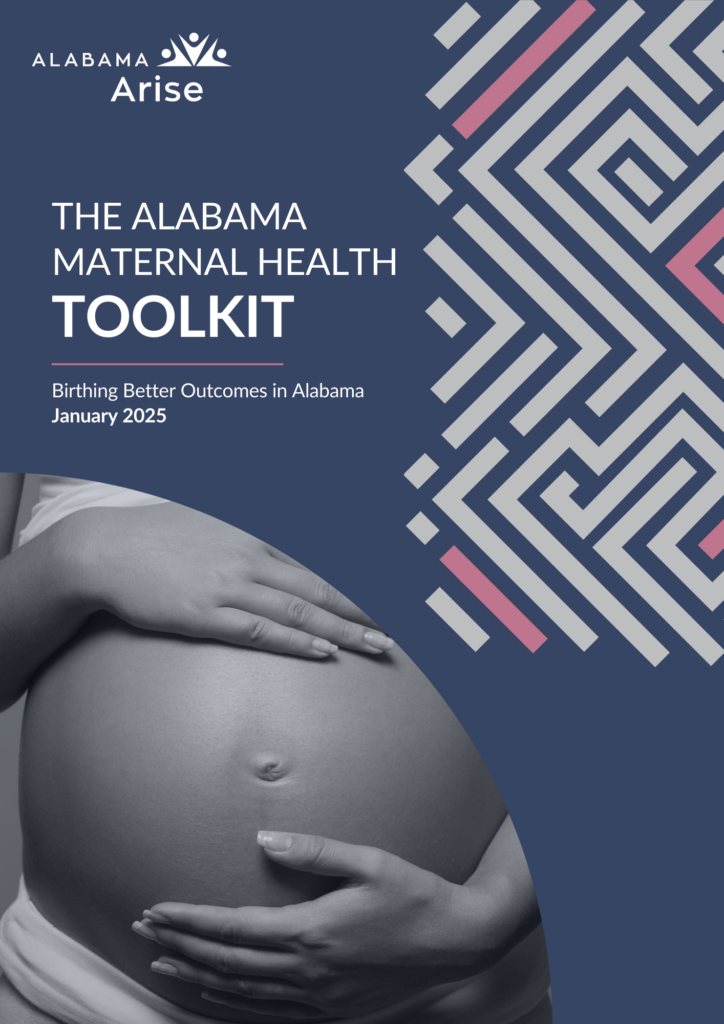
Welcome to The Alabama Maternal Health Toolkit! Alabama Arise created this resource with one primary goal: to support and empower you as you navigate the complexities of maternal health care in Alabama. Whether you’re a new mom, an expectant mother or a health care advocate, this toolkit is designed to provide you with critical information on maternal health, Medicaid coverage, health care access and community resources.
Our hope is that this guide will help you understand available health care options and provide the confidence you need to take the next steps in securing and maintaining necessary care. We are committed to improving maternal health outcomes and supporting families across our state. We’re here to help guide you through every step of the way.
We encourage you to share this toolkit with others who may benefit. Together, we can build a healthier future for all Alabama mothers and their families.
Background
Maternal health in Alabama faces serious challenges. Alabama has some of the highest rates of maternal mortality and preterm births in the United States. Limited access to comprehensive health care worsens these disparities, especially for women in underserved and rural communities. Medicaid plays a critical role in addressing thesegaps by covering more than half of all births in Alabama. However, many women still lack the continuous care they need.
Key statistics
Alabama has the third highest rate of maternal mortality in the nation.
1 in 2 births are covered by Medicaid in Alabama.
Black women are three times more likely to die from pregnancy complications.
Maternity care access in Alabama
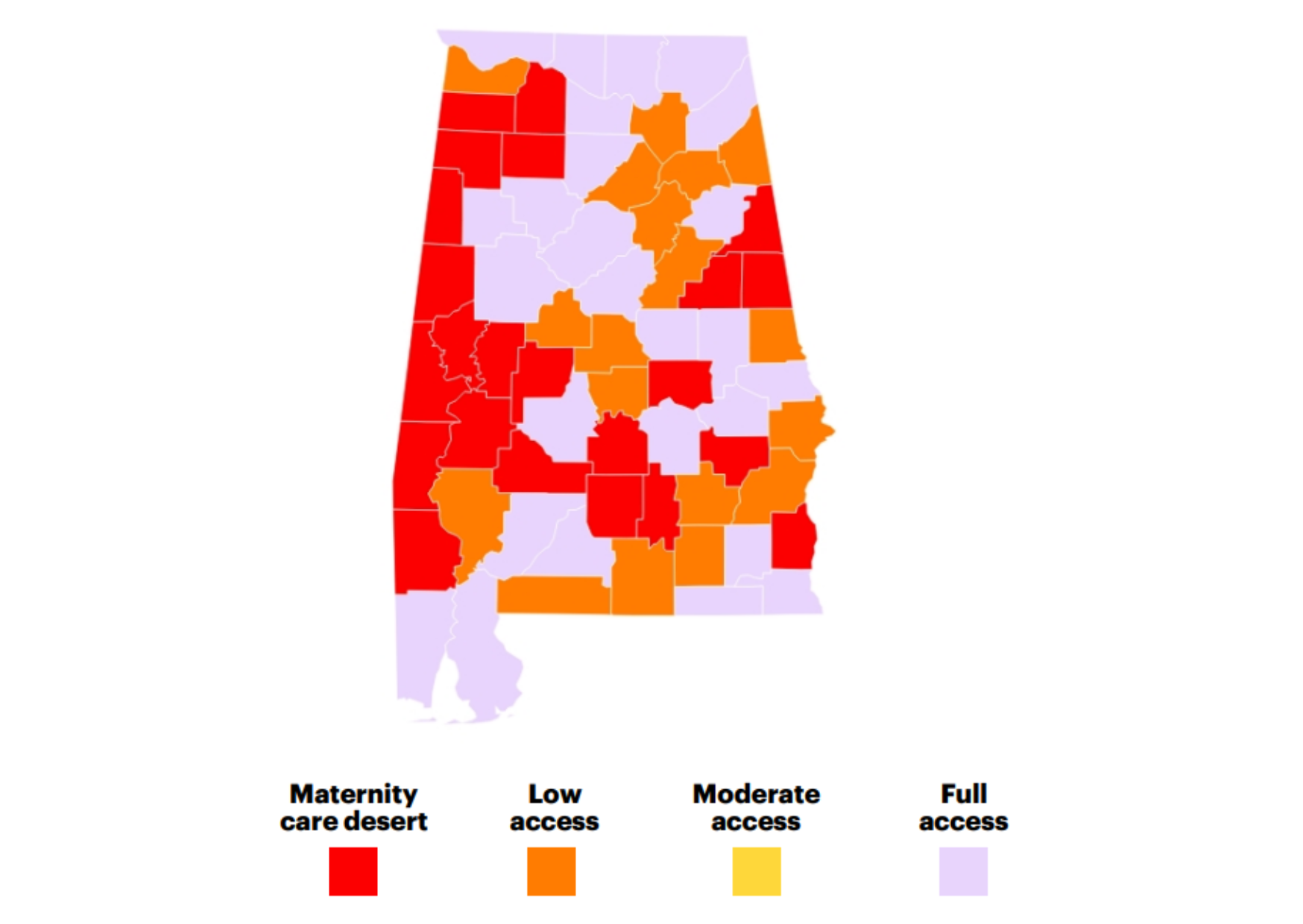
Alabama has one of the United States’ highest rates of maternity care deserts, defined as areas where access to maternity care is limited or absent. This leaves many women in rural areas without access to necessary obstetrical services. The ongoing closure of maternity wards, specifically in rural areas, further limits access to prenatal care, safe deliveries and postpartum services.
Statistics
16 of the 55 Alabama counties considered rural have hospitals providing obstetrical services today, compared to 45 of the 55 counties in 1980.
On average, Alabama women travel 17.4 miles and 23.5 minutes to their nearest birthing hospital.
Hospitals are closing or reducing services due to financial strain. This is a situation worsened by Alabama’s lack of Medicaid expansion.
8.9% of all Alabama births occur in maternity care deserts.
Medicaid benefits and coverage
Medicaid offers a comprehensive range of services to support maternal health during preconception, pregnancy and postpartum periods.
Preconception
Plan First Program
The Medicaid Plan First Program offers family planning services to women ages 19 through 55 in Alabama. For women, the program includes coverage for essential exams, birth control and planning assistance.
SERVICES COVERED BY MEDICAID PLAN FIRST
Yearly family planning exam
Access to birth control (including pills, IUDs, diaphragms, shots and implants)
Tubal ligation (and vasectomies for men)
Lab work for pregnancy
Testing for sexually transmitted infections
Assistance in planning when to have a baby
Tobacco cessation
Pregnancy
Health coverage during pregnancy ensures access to prenatal care, which is critical for monitoring the health of both mother and baby.
SERVICES COVERED BY MEDICAID
Regular prenatal checkups
Prenatal vitamins
Diagnostic tests like ultrasounds
Health education (such as childbirth preparation classes)
Dental services
Nurse-Family Partnership (NFP) services (See page 13 for more)
Alabama Coordinated Health Network (ACHN) care management services (Patients must register with an ACHN before scheduling their first prenatal appointment)
Postpartum
Postpartum care is essential for both mother and baby. Extended coverage after birth helps ensure proper recovery, mental health support and access to necessary infant care. Postpartum coverage is available for one full year after childbirth or pregnancy loss.
SERVICES COVERED BY MEDICAID
Postpartum checkups
Mental health counseling to address postpartum depression and other conditions
Family planning services to assist with birth spacing
Dental services (until 60 days after birth)
Infant care, including vaccinations, regular checkups and developmental screenings
Maternity Medicaid enrollment
There is no open enrollment period for Maternity Medicaid. People may apply and enroll at any time.
Medicaid coverage may be used alongside private insurance coverage. If a woman has a private, non-Marketplace insurance plan, she also may enroll in Maternity Medicaid if she meets the income and eligibility requirements. A child born to a woman enrolled in Medicaid at the time of the birth is eligible for what is known as “deemed newborn coverage.” This is coverage that begins at birth and lasts for one year, regardless of any changes in household income during that period.
How can Alabama moms get coverage?
Medicaid is a vital resource for pregnant women and new mothers in Alabama. Understanding how to qualify and enroll in Medicaid is essential for ensuring access to health care during pregnancy and after childbirth.
Eligibility criteria
Age
Pregnant Alabama women of any age can receive full Medicaid coverage if they meet all eligibility requirements. Pregnant women under age 19 also may receive full coverage if their parents’ income is counted and they meet the income guidelines for a child.
Income
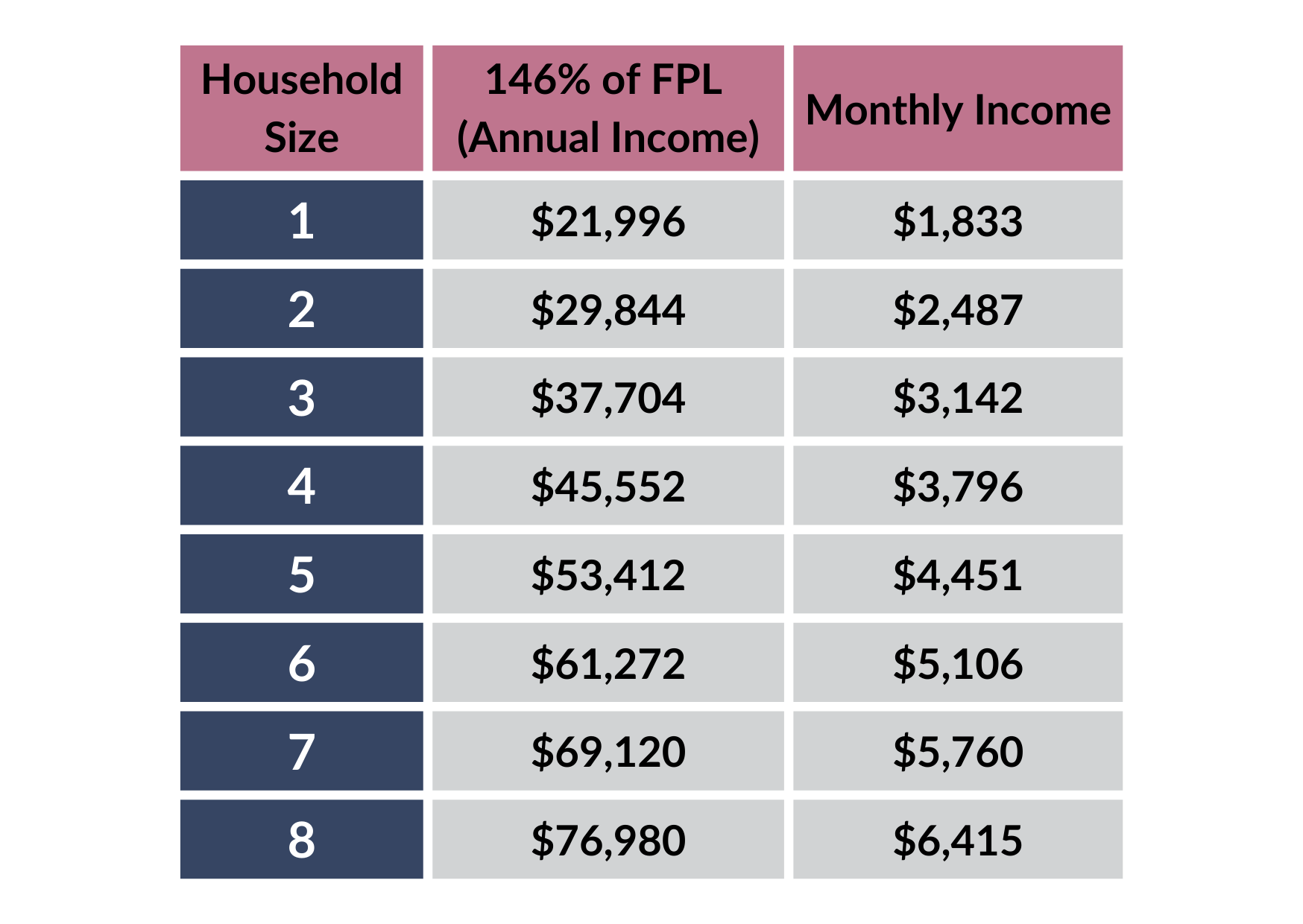
The household income limit for pregnant women is 146% of the federal poverty level (FPL). See page 10 for more.
Citizenship
Pregnant women must be a U.S. citizen or have satisfactory immigration status to qualify.
Residency
Pregnant women must reside in Alabama to receive Alabama Medicaid benefits.
Eligibility help
2024 income guidelines
Household size includes the pregnant woman and the unborn child. It also may include the spouse, father and/or other children under age 19, depending on who is living in the home and how taxes are filed.
Financial eligibility
Medicaid financial eligibility is based on Modified Adjusted Gross Income (MAGI), which starts with a person’s Adjusted Gross Income (AGI). AGI is the total income earned in a year after certain deductions like retirement contributions or student loan interest. To determine MAGI, applicants should add untaxed foreign income, non-taxable Social Security benefits or tax-exempt interest (if any) to their AGI. For many applicants, AGI and MAGI are the same. For Medicaid, the household income is calculated by adding up the MAGI of each person in the household, whether they file taxes or not.
Documentation examples
Income verification
Recent pay stubs
Tax returns
Unemployment insurance or Social Security benefits statements
Proof of identity and citizenship
Driver’s license or state-issued ID card
U.S. birth certificate or passport
Permanent Resident Card (Green Card)
Pregnancy confirmation
Doctor’s note or verification from a health care provider
Ultrasound report
Proof of Alabama residency
Utility bill (electricity, water, gas)
Lease agreement or mortgage statement
Voter registration card
Steps to enroll
Check eligibility
Be sure your income meets the requirements for your household size (which includes you, dependents and your unborn child). Review the eligibility checklist and income limits table in this toolkit to confirm eligibility.
Gather required documentation
Before applying, gather the required documentation:
Income verification
Pregnancy confirmation
Proof of identity and citizenship
Proof of Alabama residency
Apply
Online
Apply online at insurealabama.adph.state.al.us
By mail
Download, complete and mail the Medicaid application to:
Medicaid, P.O. Box 5624
Montgomery, AL 36103-5624
Confirm and wait
After applying, you should receive a confirmation letter within a few weeks. Be sure all your information is accurate. If you don’t hear back, follow up with the Medicaid office to check on your application status.
Need help?
Call the Medicaid helpline if you need assistance with the application process or renewing your coverage.
Medicaid helpline: 888-362-1504
Monday-Friday, 8 a.m. to 4:30 p.m.
How Alabama is improving outcomes
Despite the challenges, numerous programs and initiatives across Alabama are working to improve maternal health outcomes. Here are a few of them.
ALABAMA 211 CONNECTS
Alabama 211 is a statewide helpline that connects residents to essential health care, maternal health and social services. It acts as a central resource for navigating local support options during pregnancy and the postpartum period. Individuals can simply dial 2-1-1 to access a wide range of services.
ALABAMA MARCH OF DIMES
The March of Dimes is a nonprofit organization that supports research, advocacy and programs to improve maternal and infant health. In Alabama, it focuses on preventing birth defects, premature births and maternal health disparities. This organization offers prenatal education and support to expectant mothers, especially those in vulnerable communities.
ALABAMA MATERNAL HEALTH TASK FORCE
The Alabama Maternal Health Task Force (ALMHTF) works to address the state’s maternal health challenges by coordinating efforts across various stakeholders. Its goal is to improve health outcomes by reducing maternal mortality and morbidity through policy development, collaboration and health care quality improvement initiatives.
ALABAMA MATERNAL MORTALITY REVIEW COMMITTEE
The Alabama Maternal Mortality Review Committee (MMRC) investigates maternal deaths across the state to identify the causes and determine preventable factors. By reviewing these cases, the committee provides recommendations to health care providers and policymakers to improve maternal health care and reduce maternal mortality rates.
ALABAMA PERINATAL QUALITY COLLABORATIVE
The Alabama Perinatal Quality Collaborative (ALPQC) is a statewide initiative that brings together health care providers, hospitals and public health experts to improve the quality of perinatal care. Its focus is on reducing infant mortality and maternal health complications by implementing best practices in care delivery.
BIRMINGHAM HEALTHY START PLUS
Birmingham Healthy Start Plus provides community-based services to reduce infant mortality and improve maternal health in Birmingham’s most underserved neighborhoods. The program offers prenatal and postpartum support, education and resources to ensure healthy pregnancies and safe deliveries for vulnerable families.
BIRTHWELL PARTNERS
Birthwell Partners is a nonprofit organization that trains and provides doulas to support women, particularly in underserved and rural areas of Alabama. Their services help improve birth outcomes by offering emotional, physical and informational support throughout pregnancy, labor and postpartum recovery.
COVER ALABAMA
The Cover Alabama coalition advocates for the expansion of Medicaid coverage to ensure more Alabamians, especially pregnant women and families, have access to affordable health care. By pushing to close Alabama’s health coverage gap, the coalition aims to reduce maternal mortality rates and improve overall maternal and infant health.
GIFT OF LIFE FOUNDATION
The Gift of Life Foundation supports maternal and child health by offering prenatal education, health care access and early intervention services. Their programs are designed to reduce infant mortality and ensure that mothers receive comprehensive care during and after pregnancy.
NURSE-FAMILY PARTNERSHIP
The Nurse-Family Partnership (NFP) is a national program implemented in Alabama to improve maternal and child health by connecting first-time, low-income mothers with specially trained nurses. These nurses provide home visits during pregnancy and the first two years of the child’s life, focusing on health, parenting skills and economic self-sufficiency.
PREGNANCY RISK ASSESSMENT MONITORING PROGRAM
Pregnancy Risk Assessment Monitoring Program (PRAMS) is a CDC initiative in collaboration with the Alabama Department of Public Health, aimed at collecting data on maternal attitudes and experiences before, during and after pregnancy. This information helps shape policies and programs designed to improve maternal and infant health outcomes across the state.
Medicaid expansion
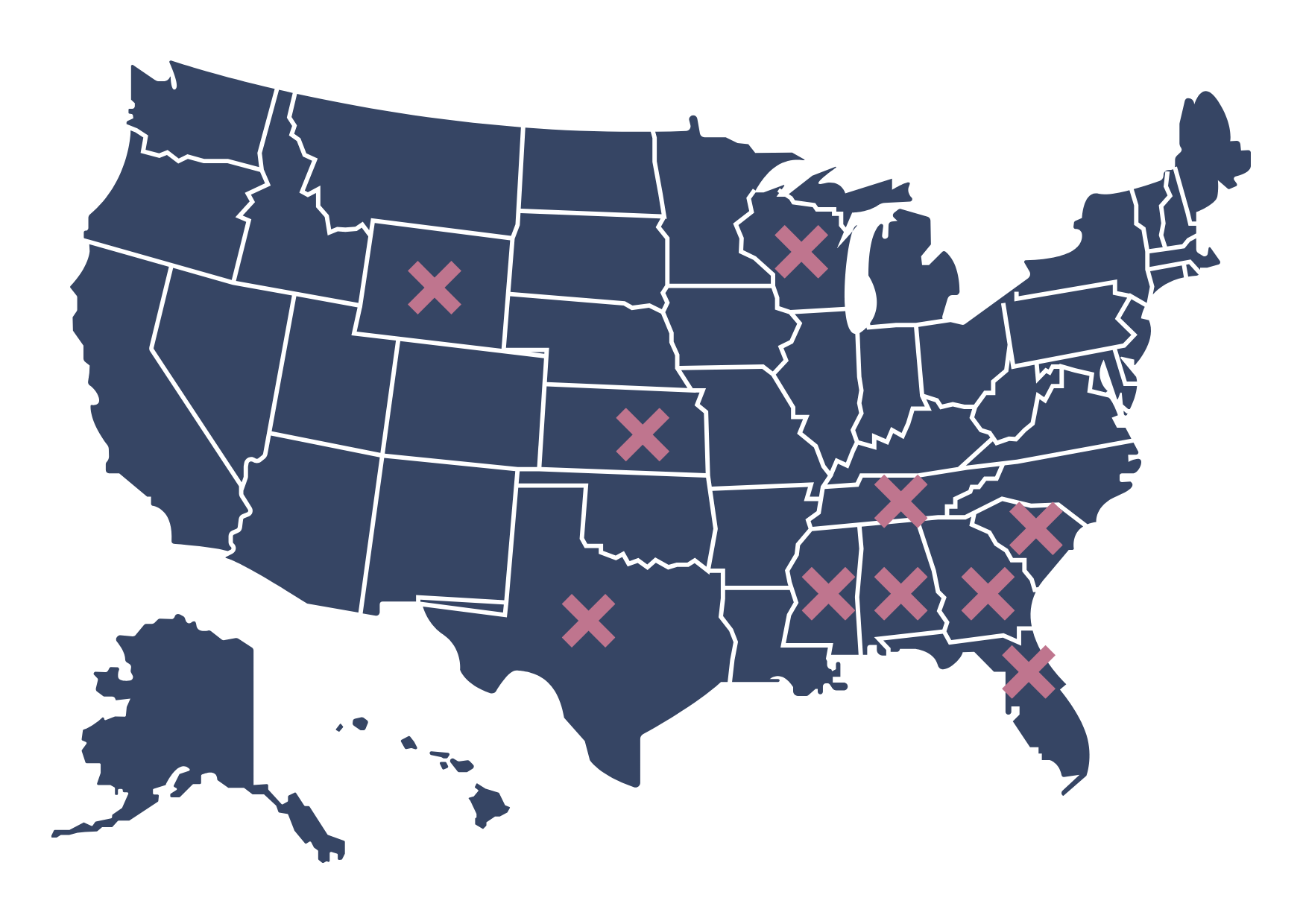
Alabama is one of only 10 states yet to expand Medicaid, leaving tens of thousands of women in the health coverage gap. Expanding Medicaid would help ensure that more women receive health care before, during and after pregnancy, leading to lower maternal and infant mortality rates.
Statistics
10 states have not expanded Medicaid
Nearly 200,000 Alabamians are caught in the health coverage gap
States that have expanded Medicaid have seen fewer maternal and infant deaths compared to non-expansion states.
Medicaid expansion could help prevent further hospital closures and increase access to maternal care in rural areas.
States
Alabama
Florida
Georgia
Kansas
Mississippi
South Carolina
Tennessee
Texas
Wisconsin
Wyoming
Conclusion
Ensuring better maternal health in Alabama is a collective effort that requires continuous support, access to care and well-informed decision-making. The Alabama Maternal Health Toolkit is a resource designed to help inform and guide women, families and health care providers in accessing the resources available through Medicaid and other maternal health programs. By ensuring every mother has access to essential prenatal, delivery and postpartum care, we can work toward reducing maternal mortality, addressing disparities and improving the health of both mothers and babies across our state. Together, we can strive to birth better outcomes for families across Alabama.
Alabama Arise is a statewide, member-led nonprofit organization advancing public policies to improve the lives of Alabamians who are marginalized by poverty. Arise’s membership includes faith-based, community, nonprofit and civic groups, grassroots leaders and individuals from across Alabama. Learn more about Arise at alarise.org. Follow @AlabamaArise on Facebook, Instagram and Twitter/X.
Más de 150 grupos miembros de Alabama Arise y más de 1,500 miembros individuales eligen todos los años nuestras prioridades legislativas. Este proceso garantiza que los habitantes de Alabama más afectados por la pobreza participen de las decisiones. A continuación se enumeran las prioridades que nuestros miembros eligieron para 2025.
Para obtener una versión de este documento en PDF, haga clic aquí o en el botón de “Descargar” (Download) arriba.
Reforma impositiva – Un sistema impositivo más equitativo puede ayudar a la gente con problemas a llegar a fin de mes. Alabama debería quitar el impuesto a los alimentos y asegurar financiación justa y sostenible para servicios esenciales.
Presupuestos estatales adecuados – Los servicios públicos fuertes amplían las oportunidades para todos. Alabama debe ampliar Medicaid y proteger los fondos para las escuelas públicas. También debe reducir el hambre y las dificultades respaldando el desayuno gratuito universal en las escuelas públicas.
Derecho al voto – Todos merecen su voz en nuestra democracia. Alabama debe aprobar el voto temprano sin excusas y eliminar barreras para la restauración del derecho al voto para quienes no lo tienen.
Reforma de justicia penal – Nuestro sistema de justicia debe asegurar la justicia y la equidad para todos. Alabama debe mejorar el sistema de libertad condicional, reformar las leyes de sentencias punitivas y reducir la dependencia de multas y tarifas como fuente de ingresos.
Atención médica maternoinfantil – La salud y seguridad de las familias es de suma importancia. Alabama debe mejorar el acceso a atención médica de alta calidad, asegurar que no se criminalice la atención vital durante el embarazo y extender la licencia prenatal para empleados y maestros en el estado.
Transporte público – La conexión comunitaria es esencial. Alabama debe financiar el Fondo Fiduciario de Transporte Público para que todos puedan llegar al trabajo, la escuela, la atención médica y más.
Reforma de pena de muerte – Todos en Alabama merecen la misma justicia según la ley. Un paso clave en esta dirección sería aplicar la prohibición de Alabama de anulación judicial de veredictos de jurado de manera retroactiva, para aplicarla a personas sentenciadas bajo esta política, ahora ilegal.
Alabama Arise and our members have worked for more than 35 years to push for policies that improve the lives of people struggling to make ends meet. We have remained steadfast in this mission and our values, and we will continue that commitment in the coming years.
Arise is deeply concerned about the prospect of harmful federal tax and budget changes next year. And we are working closely with national allies and those in other states to educate and advocate on these issues. We’ll be calling on you, our members and partners, to help us protect Alabamians with low incomes. We will be responding to numerous federal issues in 2025. These include:
Tax cuts for the wealthiest households
Federal tax cuts passed in 2017 benefited wealthy people and highly profitable corporations at the expense of revenue for essential services like public education and health care. We expect Congress to move quickly to try to renew these skewed tax giveaways to the wealthiest households and corporations. We also are concerned that targeted tax credits for people with low incomes, including the Earned Income Tax Credit and the Child Tax Credit, might be cut to offset the cost of tax cuts for wealthy households.
Federal funding cuts for human services
Arise and our partners expect Congress will try to freeze or reduce spending on services that help working people, in an effort to offset the cost of tax giveaways to the wealthiest Americans. Services at risk could include education services for struggling students, affordable housing and public transportation. Congress also could reduce state grants under the Temporary Assistance for Needy Families (TANF) program, which provides income and work supports for people with extremely low incomes.
We also expect to see proposals to cut food aid under the Supplemental Nutrition Assistance Program (SNAP) and health coverage under Medicaid, the Children’s Health Insurance Program (known as ALL Kids in Alabama) and the Affordable Care Act. We are particularly worried about the possibility of state block grants or privatization of health care programs.
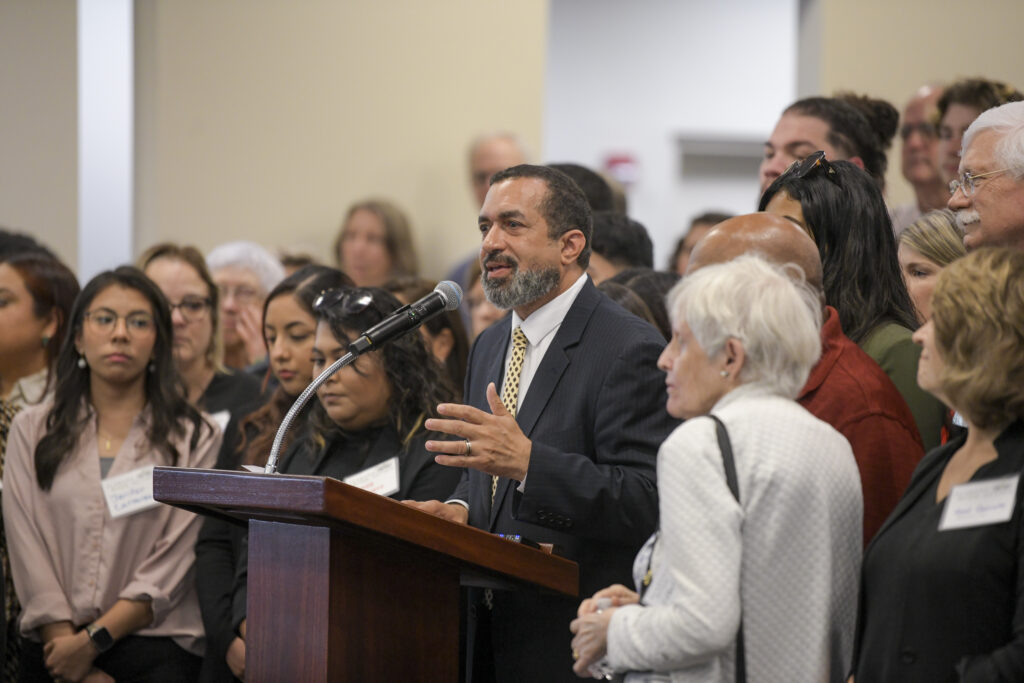
Alabama Arise board president Clyde Jones emphasizes the health and economic benefits of Medicaid expansion during Arise Legislative Day on April 2, 2024, in Montgomery. Arise will oppose any efforts to slash Medicaid funding or impose harmful structural changes to Medicaid. (Photo by Julie Bennett)
Arise expects to fight against harmful new work reporting requirements for participants in Medicaid, SNAP, affordable housing and similar programs. These would result in many costly paperwork barriers and arbitrary denials for people eligible for these services.
Attacks on undocumented immigrants
Efforts to deport large numbers of undocumented immigrants likely would disproportionately hurt Hispanic communities and result in human rights abuses. These initiatives also likely would drive up the price of goods and services for everyone. The first Trump administration tried to make it easier to deport people who participated in programs like Medicaid or SNAP. We anticipate another effort to impose a similar “public charge” rule.
Harmful long-term structural changes
Further down the road, we are watching for potential harmful changes to SSI disability cash assistance. We also are concerned about potential proposals to privatize Social Security and to slash Medicaid and SNAP by turning them into block-grant programs or significantly cutting federal funding.
What we can do together
The federal road ahead will not be easy for Alabamians with low incomes. But we have survived serious policy threats before, and we can again, as long as we all work together. It is important to remember a few key strengths that we have:
Congress is deeply divided, especially in the House. Some things that require congressional action may be hard to pass.
Federal administrative rule changes are a slow and tedious process. Public comments can play a major role in slowing or stopping harmful regulations.
Equitable tax policy and adequate budgets for human services are broadly popular. Public opinion matters and can make a real difference.
Arise pledges to help our members stay informed with fact sheets, blog posts and other informative materials. We will share timely action alerts to help our supporters speak out to elected officials on issues that matter to working families. And we will support immigrants, people of color, low-income communities and other Alabamians who are at risk of policy harm.
We are stronger together. Arise’s coalition has a decades-long track record of credibility and success. And with your ongoing advocacy and support, we will continue advancing our shared vision of a better Alabama for all.
Alabama Arise and our members have worked for more than 35 years to push for state policies that improve the lives of people struggling to make ends meet. We advocate for policies to build an Alabama where everyone has the resources they need to reach their full potential. And we’ve always remained steadfast in this mission and our values, regardless of who holds public offices at any given time.
On Tuesday, Alabama voted. So today, we have a clearer vision of what we may face as we look toward the 2025 legislative session in February. The path to dignity, equity and justice for all has always been a long one in Alabama. None of us are strangers to this work, and we’re in it for the long haul.
To make positive change, we must work together. We all must lean into our relationships, communities and networks to find solidarity and grow our collective voice for change. As a member-based organization, we know power is built from the ground up. And Arise will continue our commitment to growing our people power to expand health care access, reduce hunger, reform Alabama’s upside-down tax structure and support working people across our state.
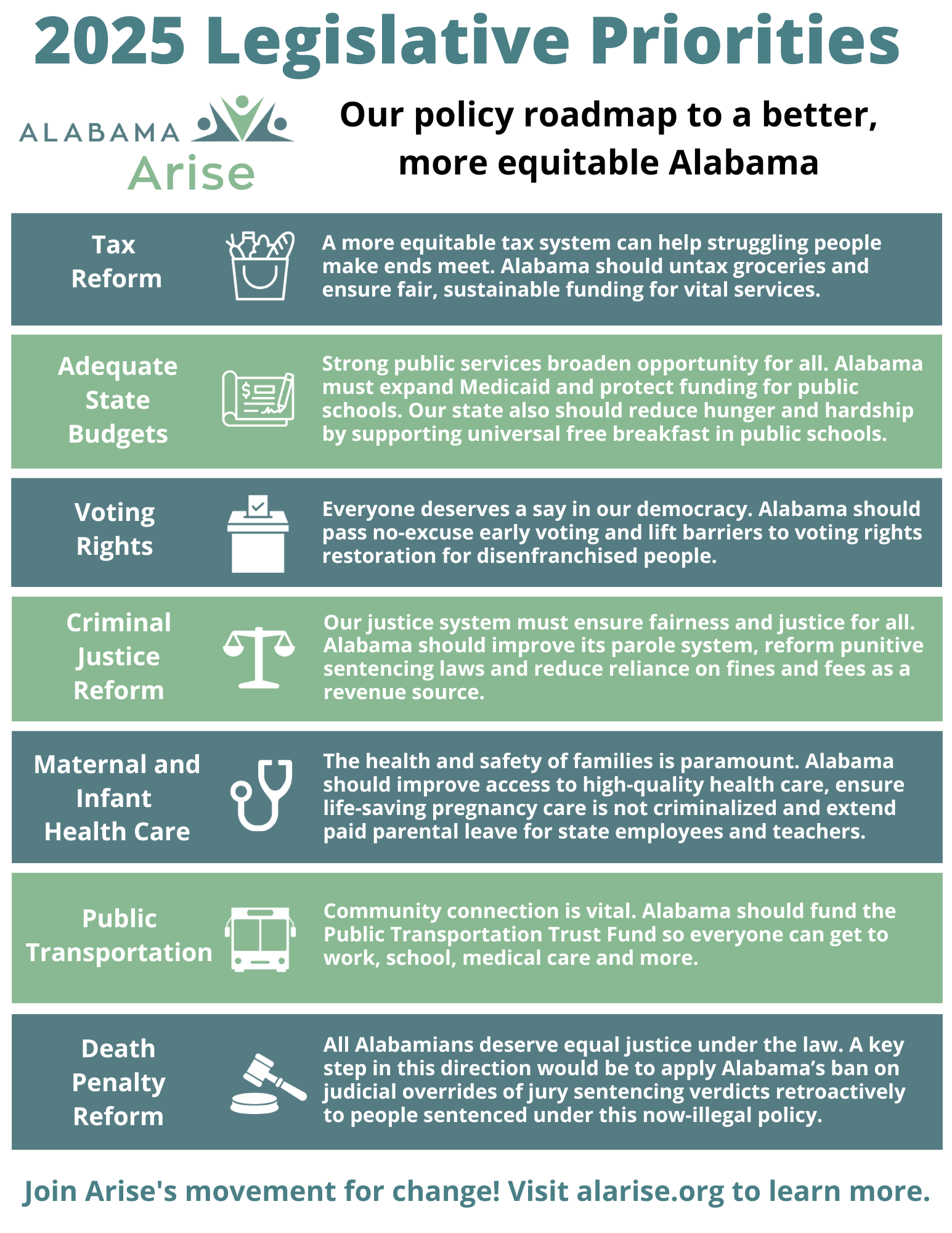
More than 150 Alabama Arise member groups and more than 1,500 individual members choose our legislative priorities each year. This process ensures that Alabamians most impacted by poverty have a seat at the table. Below are the priorities that our members selected for 2025.
For a PDF version of this document, click here or click the “Download” button above.
Tax reform – A more equitable tax system can help struggling people make ends meet. Alabama should untax groceries and ensure fair, sustainable funding for vital services.
Adequate state budgets – Strong public services broaden opportunity for all. Alabama must expand Medicaid and protect funding for public schools. Our state also should reduce hunger and hardship by supporting universal free breakfast in public schools.
Voting rights – Everyone deserves a say in our democracy. Alabama should pass no-excuse early voting and lift barriers to voting rights restoration for disenfranchised people.
Criminal justice reform – Our justice system must ensure fairness and justice for all. Alabama should improve its parole system, reform punitive sentencing laws and reduce reliance on fines and fees as a revenue source.
Maternal and infant health – The health and safety of families is paramount. Alabama should improve access to high-quality health care, ensure life-saving pregnancy care is not criminalized and extend paid parental leave for state employees and teachers.
Public transportation – Community connection is vital. Alabama should fund the Public Transportation Trust Fund so everyone can get to work, school, medical care and more.
Death penalty reform – All Alabamians deserve equal justice under the law. A key step in this direction would be to apply Alabama’s ban on judicial overrides of jury sentencing verdicts retroactively to people sentenced under this now-illegal policy.
At just 2 1/2 years old, he was diagnosed with acute lymphocytic leukemia, a bone and blood cancer that nearly took his life. Lary survived thanks to the life-saving treatment he received at St. Jude Children’s Research Hospital in Memphis, Tenn.
“I was a week from dying when they found it,” Lary recalled about his childhood cancer diagnosis. “From 1979 to 1982, I was under treatment — 1,800 units of chemo and radiation.”
Those intense treatments took a severe toll on his body that affected nearly every aspect of his life, even as an adult.
“I’ve had my L4, L5 vertebrae blown out because of so many spinal taps,” he said. Doctors used the painful procedure to monitor his progress throughout childhood.
Lary’s courage in the face of pain earned him the name “OK Kid.” When the doctors at St. Jude asked him how he felt during these intense procedures, he always responded, “I’m OK.”
But from the time he was young, Lary said, he felt like he hadn’t been able to live life to its fullest.
“At one time, I had my left arm in a full cast and my right arm in a half cast,” he said. “I stepped into a hole while playing with my sister and ended up breaking my wrist.”
Lary Brooks of New Hope, Ala., has dealt with health issues stemming from childhood cancer for his entire life. (Photo courtesy of Lary Brooks)
Today, at age 47, Lary lives with his family in New Hope, a small town southeast of Huntsville. He suffers from osteopenia and scoliosis. The lingering effects of his childhood cancer caused a loss of spine density and chronic pain that often leaves him unable to work.
‘I’m ready to go back to work now’
Over the years, Lary has found jobs in construction, as a waiter and as an automotive tech. But each job ended when he was injured or needed care.
Most recently, Lary suffered a fall that required major facial surgery to reconstruct his jaw. The surgery left him with more medical debt and yet another battle to get the care he desperately needed.
Originally, doctors told him he’d be recovering for six to eight weeks. But now it’s looking more like Lary won’t be able to work for six months.
“I’m ready to go back to work now, but I’ve got to get released from the doctors,” Lary said, anxious to return to his life.
Yet with no health insurance, he can only access emergency care. That means he can’t see the specialists he needs to manage his everyday issues — or the crippling pain that comes from them.
Without access to the prescriptions he needs, Lary is left with few pain management options. They provide little to no relief.
“I don’t have insurance, so I can’t treat my problems as they come up, and everything just deteriorates,” he said. “The only thing I’m able to do … is over-the-counter pain medication, but it doesn’t work.”
Alabama’s failure to expand Medicaid to cover adults with low incomes has left nearly 200,000 residents like Lary in the health coverage gap, unable to afford private insurance but not eligible for Medicaid. Our state is one of only 10 yet to accept federal funds that would offer coverage to folks like Lary.
Without Medicaid expansion, Lary must either rely on expensive emergency room visits for temporary relief or continue to endure debilitating pain every day. As he recovers at home from his most recent surgery, he’s left with few options.
A life in pain
“I walk around with a pain level of 10, 24/7, seven days a week,” Lary said. “The only thing I can think about or stay focused on is my body pain because it’s like my brain will not allow me to focus on anything else.”
Lary said his pain is compounded by the limitations placed on health care providers due to the opioid crisis.
“I ask the doctors if there’s any way that I can get help to where I can still stay at work on a full-time basis,” he said. “But with the opiate crisis, they won’t prescribe chronic pain medication without me being established in a pain clinic. So I’m reduced to going down to part-time at work but struggling with my pain all the time.”
Lary’s mother, Brenda Brooks, said finding payment assistance through local hospitals for Lary’s care has become a part-time job itself. She often digs through past tax returns, prints out the past few months of bank statements and tracks down medical records from different doctors.
Brenda said that even with his extensive medical history, Lary has been denied for disability benefits many times. And it hasn’t been for a lack of his mother trying.
“Last time, the disability doctor told us Lary is able to work, as something like a truck driver? He’s not supposed to lift over 25 pounds. Tell me how that works,” Brenda asked.
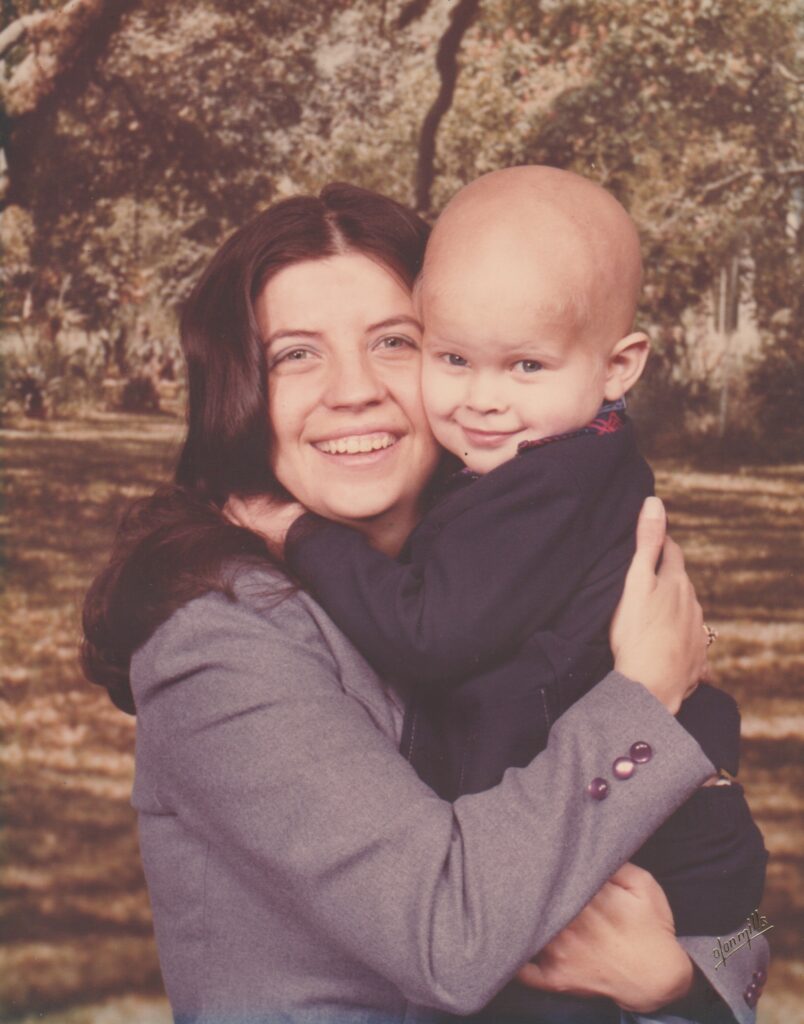
Brenda Brooks holds her son Lary in spring 1980. The picture was taken about six months after Lary was diagnosed with leukemia. (Photo courtesy of Brenda Brooks)
‘I just wait until I can’t stand it anymore’
So for now, Lary keeps trying to find work while not being able to afford coverage or consistent care. He said he manages by spacing out care, or sometimes avoiding it altogether.
“It’s mainly just choosing the right time to go to the doctor,” he said. “I mean, with my pain and everything, and me being a diabetic, I’m usually having to wait probably six months in order to go.”
Ideally, Lary should be able to go to the doctor monthly. But living in the coverage gap forces him to make tough decisions about whether to seek care when he needs it.
“I spread it out and then choose what pain level I’m in before I either go to the ER or I just wait until I can’t stand it anymore,” Lary said.
It’s a piecemeal plan for pain management caused by living in the coverage gap. When things do become unbearable, his mother said, it’s never without a cost.
“We still owe UAB Hospital for surgery, like $11,000,” Brenda said. “That’s not including the doctor visits. That’s just the surgery and the hospital time.”
On top of that, Lary said his debt at Huntsville Hospital, the closest to his home, is nearly $30,000.
A mother turned warrior
Lary said his mother has been his greatest advocate. A substitute teacher, she has taken up the fight to get her son the care he needs.
“I’ve called everyone — local lawmakers, even Gov. Kay Ivey,” Brenda said. “I’ll do whatever it takes to get him the care he deserves.”
Finally, she reached out to Cover Alabama to share her family’s story.
“I want everyone to understand that people in the gap like Lary just need fair coverage. They aren’t looking for a handout. He pays taxes, so I don’t think it should even be looked at that way,” Brenda said.
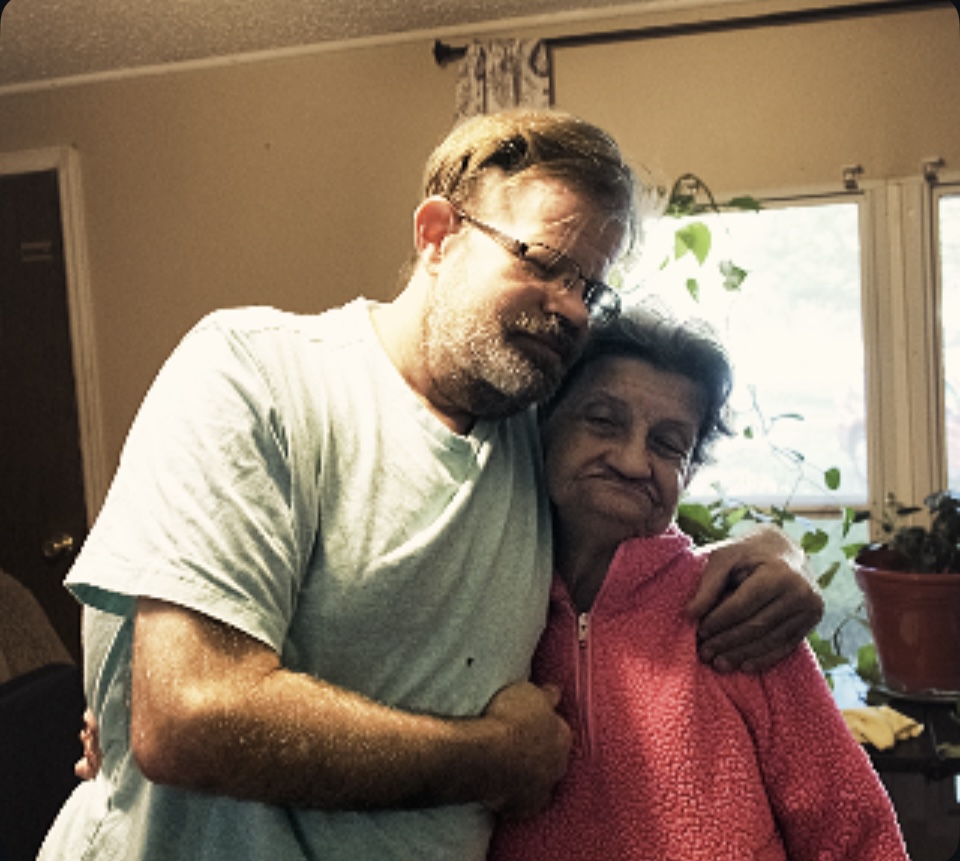
Lary and Brenda Brooks pose inside their home in New Hope, Ala., in October 2024. (Photo by Whit Sides)
Medicaid expansion could help Lary access the specialists he needs without relying on the emergency room for short-term fixes.
“If I could get in to see a good doctor and stay with them, I’d be able to live a normal life,” he said.
For now, Lary’s lack of health coverage affects his freedom and autonomy as an adult, including his relationships.
For Lary, the effects of living without insurance extend beyond his physical health. He recently had to ask his uncle for $3,000 to pay for treatment. He said it was a tough blow mentally.
And romantically, he finds it difficult to find partners or companionship because he feels like “there’s always a catch.”
“I’ve met lots of women, but when I told them exactly what my story was, most of them decided to walk out because they thought it was too much trouble,” he said. “That’s why I’m 47 and still single.”
Hope for a better Alabama
Lary remains hopeful and tries to keep a positive outlook. But he said it’s important to be honest about the isolation he goes through daily.
“It messes with your confidence a little bit,” he said. “I want to be a productive member of society. I don’t want to feel like a burden.”
Medicaid expansion would help Lary live a more fulfilling life, free from the constant worry of mounting medical debt and inadequate care. It would give him and thousands of other Alabamians the chance to work rather than being sidelined by a lack of support.
“You’ve got all these people in this state alone living in the gap,” Lary said. “Imagine how many more in other states like Texas. If we can’t work, our state doesn’t get the tax money.”
For Lary, this is more than a political issue — it’s a matter of survival. As he continues to fight for his health, he holds on to the hope that the system will change one day. In the meantime, Brenda will keep advocating for her son, hoping her calls to lawmakers won’t fall on deaf ears.
“I’ve sent out so many emails and only ever got one response,” Brenda said. “They are supposed to represent people in their area, especially those who need the help. And they’re supposed to push to get what their constituents need, like expanding Medicaid.”
Lary and Brenda Brooks embrace inside their home in New Hope, Ala., in October 2024. (Photo by Whit Sides)
‘The honest way’
Lary said caring for him as a child and not being able to “fix it” was a traumatic experience for his family. He said that’s his constant motivation now: wanting to fix anything he can for others.
Even while recovering from surgery, Lary still finds time to help others. He’s a member of St. Jude’s alumni program, which allows cancer survivors like him to work with doctors to develop new treatments for kids living with bone cancers similar to the one he fought.
“I’m trying to do things the honest way,” Lary said. “I just wish there were systems to help me keep doing that.”
About Alabama Arise and Cover Alabama
Whit Sides is the Cover Alabama storyteller forAlabama Arise, a statewide, member-led organization advancing public policies to improve the lives of Alabamians who are marginalized by poverty. Arise’s membership includes faith-based, community, nonprofit and civic groups, grassroots leaders and individuals from across Alabama. Email: whit@alarise.org.
Arise is a founding member of the Cover Alabama coalition.Cover Alabama is a nonpartisan alliance of advocacy groups, businesses, community organizations, consumer groups, health care providers and religious congregations advocating for Alabama to provide quality, affordable health coverage to its residents and implement a sustainable health care system.